


EP17 Conversation Hour 11 - David Burns, MD
- Average Rating:
- Not yet rated
- Topic Areas:
- Conversation Hours | Cognitive Behavior Therapy (CBT) | Psychotherapy | Therapeutic Model | Therapist Development
- Bundle(s):
- EP17 Full Con Audio Download Bundle 2020
- Categories:
- Evolution of Psychotherapy | Evolution of Psychotherapy 2017
- Faculty:
- David Burns, MD
- Course Levels:
- Master Degree or Higher in Health-Related Field
- Duration:
- 1:03:48
- Format:
- Audio Only
- Original Program Date:
- Dec 15, 2017
- License:
- Never Expires.
Description
Description: Burns reflects on his unconventional path from psychopharmacology to cognitive therapy and the research that reshaped his thinking about depression. He discusses the limits of the chemical imbalance theory, the central role of motivation and resistance in recovery, and the development of TEAM CBT, including testing, empathy, agenda setting, and methods. Blending personal stories, outcome research, and live clinical reasoning, the session offers an engaging look at how rapid, lasting change can occur in real-world practice.
Syllabus Description: Dr. Burns will describe his personal evolution from biological psychiatry during his psychiatric residency to cognitive behavior therapy, and then to the new TEAM-CBT, which he has recently developed. TEAM-CBT aims for extremely high-speed treatment using innovative cognitive and motivational (resistance-busting) techniques. He will invite questions from audience participants.
Educational Objectives:
- Describe why Dr. Burns gave up a tenure track position in biological psychiatry to help develop CBT in the 1970s.
- Describe the four components of TEAM-CBT.
*Sessions may be edited for content and to preserve confidentiality*
Credits
Faculty
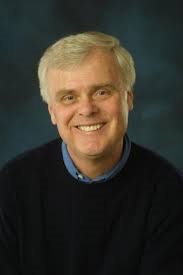
David Burns, MD Related Seminars and Products
David D. Burns is an adjunct professor emeritus in the Department of Psychiatry and Behavioral Sciences at the Stanford University School of Medicine and the author of the best-selling books Feeling Good: The New Mood Therapy and The Feeling Good Handbook. Burns popularized Aaron T. Beck's cognitive behavioral therapy (CBT) when his book became a best seller during the 1980s.