


EP05 Topical Panel 04 - Psychotherapy: Art or Science? - David Barlow, PhD; Scott Miller, PhD; Erving Polster, PhD; Daniel Siegel, MD
- Average Rating:
- Not yet rated
- Topic Areas:
- Topical Panels | Art and Creativity | Psychotherapy
- Categories:
- Evolution of Psychotherapy | Evolution of Psychotherapy 2005
- Faculty:
- David Barlow, PhD | Scott Miller, PhD | Erving Polster, PhD | Daniel Siegel, MD
- Duration:
- 1 Hour 05 Minutes
- Format:
- Audio Only
- Original Program Date:
- Dec 09, 2005
- License:
- Never Expires.
Description
Description: This panel takes on the enduring question of whether psychotherapy is an art, a science, or something that resists that split altogether. Drawing from anxiety research, outcome studies, Gestalt therapy, and interpersonal neurobiology, the session explores evidence-based practice, therapist effectiveness, subjective experience, and how change actually happens in the consulting room. Participants are invited into a lively, nuanced discussion of technique versus relationship, measurement versus meaning, and how science can inform clinical intuition without flattening it. The result is a thoughtful look at what helps therapy work, and why no single lens is sufficient on its own.
Moderated by Daniel Eckstein, PhD
Educational Objectives:
- To compare and contrast clinical and philosophical perspectives of experts.
*Sessions may be edited for content and to preserve confidentiality*
Credits
Faculty
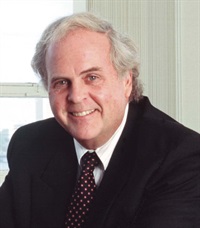
David Barlow, PhD Related Seminars and Products
Professor of Psychology, Research Professor of Psychiatry, Director of Clinical Training Programs, and Director of the Center for Anxiety and Related Disorders at Boston University. Editor of Clinical Psychology: Science and Practice. He is a Diplomate in Clinical Psychology of the American Board of Professional Psychology, and maintains a private practice. Dr. Barlow has published over 500 articles, chapters and books. He is the recipient of numerous awards, most recently the C. Charles Burlingame Award from the Institute for Living.
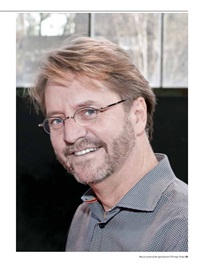
Scott Miller, PhD Related Seminars and Products
Scott D. Miller, Ph.D., is the founder of the International Center for Clinical Excellence an international consortium of clinicians, researchers, and educators dedicated to promoting excellence in behavioral health services. Dr. Miller conducts workshops and training in the United States and abroad, helping hundreds of agencies and organizations, both public and private, to achieve superior results.
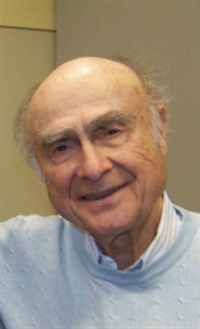
Erving Polster, PhD Related Seminars and Products
Erving Polster, Ph.D in clinical psychology, is the Director of The Gestalt Institute of San Diego, and the author of several important books, including Gestalt Therapy Integrated, Every Person's Life is Worth a Novel, and From the Radical Center: The Heart of Gestalt Therapy, as well as dozens of articles and chapters. Erving has authored 6 books. In his current writings, he offers perspectives and designs for a communal application of psychotherapy principles. He also describes and celebrates a powerful contemporary momentum for people-at-large to join together in the search for personal and social enlightenment.
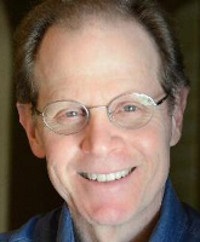
Daniel Siegel, MD Related Seminars and Products
Daniel Siegel, MD, received his medical degree from Harvard University and completed his postgraduate medical education at UCLA with training in pediatrics and child, adolescent and adult psychiatry. He is currently clinical professor of psychiatry at the UCLA School of Medicine where he is on the faculty of the Center for Culture, Brain, and Development and the founding co-director of the Mindful Awareness Research Center. Dr. Siegel has lectured for the King of Thailand, Pope John Paul II, His Holiness the Dalai Lama, Google University, London's Royal Society of Arts (RSA), and TEDx.