


EP21 Topical Panel 02 - The Goal of Therapy - Donald Meichenbaum; Michael Miller; Stephen Gilligan; Jean Shinoda Bolen
- Average Rating:
- Not yet rated
- Topic Areas:
- Topical Panels | Goals of the Therapist | Therapeutic Relationship
- Categories:
- Evolution of Psychotherapy | Evolution of Psychotherapy 2021
- Faculty:
- Donald Meichenbaum, PhD | Michael Miller | Stephen Gilligan, PhD | Jean Shinoda Bolen, PhD
- Duration:
- 1 hour
- Format:
- Audio Only
- Original Program Date:
- Dec 02, 2021
- License:
- Never Expires.
Description
Description: What is the goal of therapy, and who gets to decide? In this substantive panel, leaders from cognitive behavioral, Gestalt, Jungian, and Ericksonian traditions explore freedom, agency, individuation, resilience, and collaborative goal setting. Moving from symptom relief to becoming “who you were meant to be,” the discussion highlights therapeutic alliance, curiosity, feedback, and well-formed goals as central to meaningful change.
Syllabus Description: The process of contracting for change in the initial session will be described and discussed. Methods of targeting goals will be compared and contrasted.
Learning Objectives
- Given the patient, describe three different ways of establishing goals.
- Describe how goals can be empirically informed.
Credits
Faculty
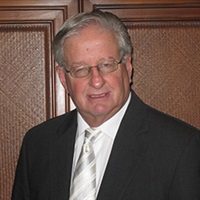
Donald Meichenbaum, PhD Related Seminars and Products
Donald Meichenbaum, Ph.D in Clinical Psychology is currently Research Director of Melissa Institute for Violence Prevention, Miami (melissainstitute.org). He is one of the founders of cognitive behavior therapy. He was voted one of the most influential psychotherapists of the 20th century. Latest books include "Roadmap to Resilience" (www.roadmaptoresilience.com) and "Evolution of Cognitive Behavior Therapy: A Personal and Professional Journey."
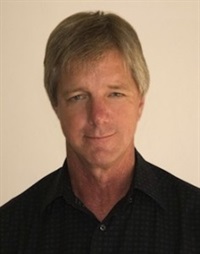
Stephen Gilligan, PhD Related Seminars and Products
Stephen Gilligan Ph.D., is a Psychologist in Encinitas, CA. He was one of the original NLP students at UC Santa Cruz; Milton Erickson and Gregory Bateson were his mentors. After receiving his psychology doctorate from Stanford University, he became one of the premier teachers and practitioners of Ericksonian hypnotherapy. This work unfolded into his original approaches of Self-Relations and Generative Self, and then further (in collaboration with Robert Dilts) into Generative Coaching. These different traditions have all been updated and integrated into the present Generative Change Work, which includes the applications of Generative Coaching, Generative Psychotherapy, Generative Trance, Hero’s Journey, and Systemic Change work.